
Compounding
What Is a Compounding Pharmacy?
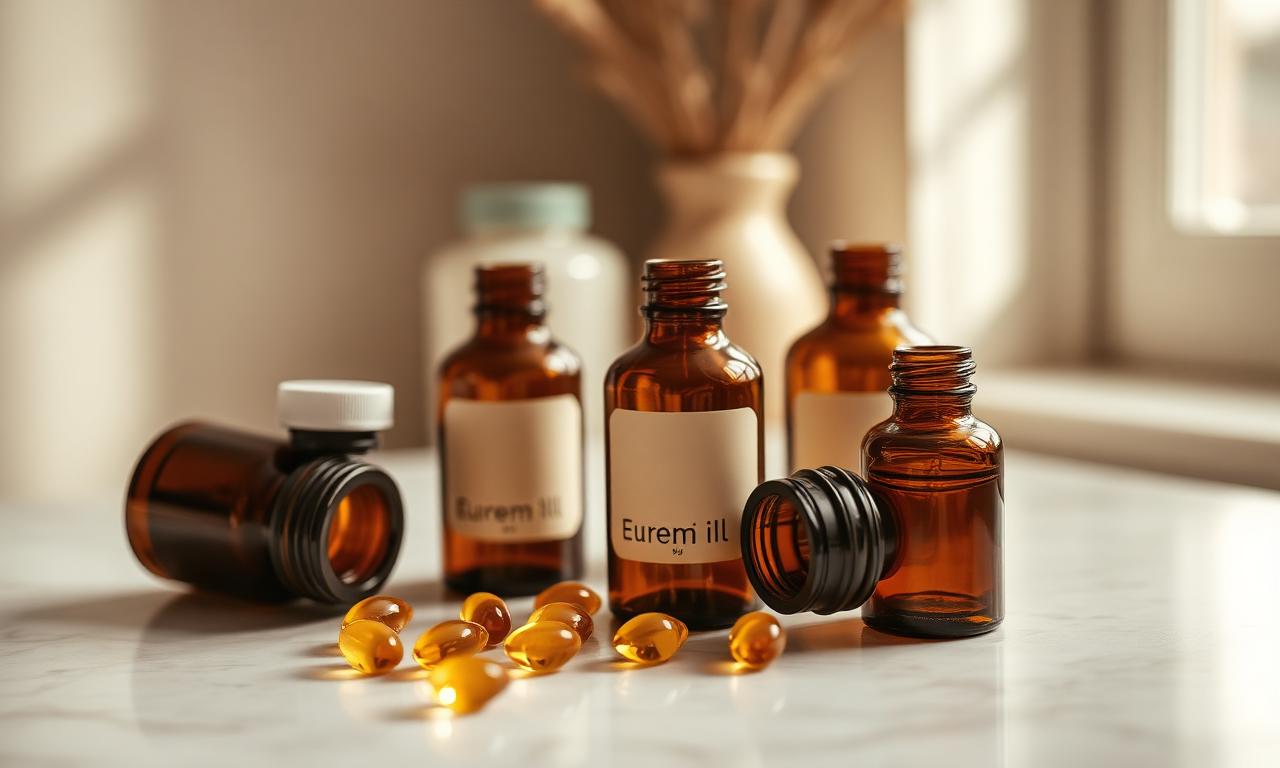
A compounding pharmacy prepares a medication for one specific patient, based on a prescriber's order, when a manufactured product cannot meet that patient's need. Most pharmacies mainly dispense medicines made by drug manufacturers. Compounding is different: a pharmacist combines or changes ingredients to create a preparation that does not exist on the shelf. This article explains what that means in practice and how to decide, with your prescriber, whether it fits your situation.
What compounding actually involves
Compounding starts with a prescription for a named patient. The pharmacist may change the dosage form (for example, a liquid for someone who cannot swallow tablets), leave out an inactive ingredient the patient cannot take, or prepare a strength that no manufacturer makes. The preparation is made for that patient and that prescription, not produced in bulk for the general public.
Compounded medicines are not FDA-approved
This is the most important point to understand. The FDA does not review compounded medicines for safety, effectiveness, or quality before they are dispensed. FDA-approved products have gone through that review, and their manufacturing is inspected against federal standards. Compounded preparations are overseen mainly by state boards of pharmacy and by professional standards, but they do not carry the same premarket evidence.
Because of that, compounding is meant for a patient-specific need that an appropriate approved product cannot meet. A compounded version is not automatically better, safer, stronger, more natural, or cheaper than an approved medicine.
Situations where compounding may make sense
- You have a documented allergy to an inactive ingredient that is present in every available version of a medicine.
- You cannot swallow tablets or capsules and no approved liquid or alternative form exists.
- Your prescriber needs a strength or dosage form that is not commercially available.
- An approved product has been discontinued or is temporarily unavailable, within the limits that pharmacy law allows.
Situations where it usually does not
- An approved product is available, works for you, and you tolerate it.
- The main reason is a general preference for something custom or natural sounding.
- The goal is saving money. Many insurance plans do not cover compounded preparations, and the cash price can be higher than an approved generic.
How compounding pharmacies are overseen
Pharmacies are licensed by their state board of pharmacy. The United States Pharmacopeia (USP) publishes standards for compounding, including USP chapter 795 for nonsterile preparations such as capsules, creams, and oral liquids, and USP chapter 797 for sterile preparations such as injections and eye drops. These require different facilities and procedures, so it is reasonable to ask which kind of compounding a pharmacy performs before you send a prescription.
Questions to ask your prescriber
- Why do you recommend a compounded preparation instead of an approved product?
- Is there an approved option we could try first, or that I have already tried?
- How will we know whether it is working, and when will we reassess?
Questions to ask the pharmacist
- What are all the ingredients, including the inactive ones?
- What is the beyond-use date, and how should I store it?
- How do I measure each dose accurately?
- What will it cost, and is it likely to be covered by my plan?
Next step
If your prescriber has written a compounded prescription, or you are not sure whether one is appropriate, call RxByDesign at 720-507-6344. A pharmacist can tell you whether it is something the pharmacy can prepare and what information is still needed from your prescriber.
Sources and further reading
- Compounding and the FDA: Questions and Answers (opens in a new tab)U.S. Food and Drug Administration
These links are for general background and do not replace advice from your prescriber or pharmacist.

Written by
Dr. Raisa Katanova is the founder and lead pharmacist at RxByDesign Compounding Pharmacy in Denver, Colorado. A graduate of the University of Colorado Skaggs School of Pharmacy, she has practiced pharmacy since 2002 and built her reputation on precision compounding, hormone therapy, and high-touch patient care for Denver-area patients.